
Description
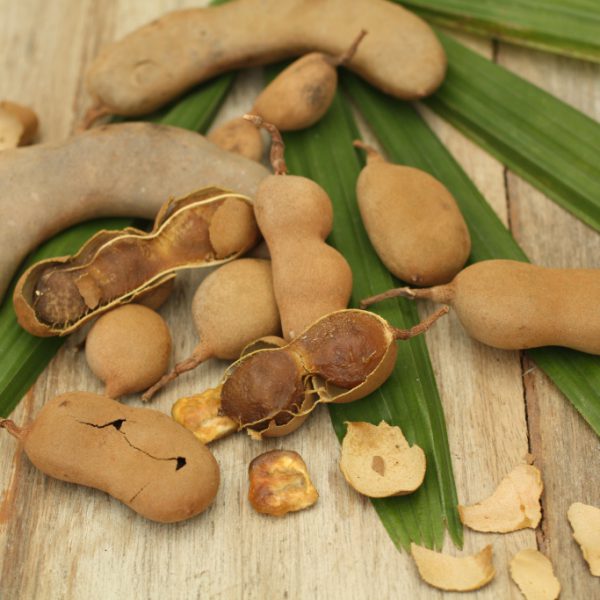
Tamarind is a tropical fruit produced by the Tamarindus indica tree and valued for its distinctive balance of sweetness and acidity. The fruit develops inside brown, curved pods containing edible pulp and seeds.
Premium Tamarind is carefully selected for its flavour, aroma, colour and pulp quality. The fruit can be processed into pulp, paste, concentrate or powder, making it a versatile ingredient for both traditional cooking and commercial food production.
The characteristic flavour of Tamarind combines pleasant sweetness with a naturally sharp acidity. This distinctive profile makes it especially useful for balancing rich, spicy, salty and savoury foods.
Tamarind pulp is widely used in chutneys, sauces, curries, marinades and soups. It can also be diluted with water to create refreshing drinks and traditional beverages.
Dried Tamarind is convenient for storage and can be rehydrated or processed before use. Its concentrated flavour means that a relatively small quantity can add noticeable acidity and depth to recipes.
In South Asian cuisine, Tamarind is frequently used in chutneys, lentil dishes, rice preparations and spice-based sauces. It is also an important flavouring ingredient in several African, Middle Eastern and Latin American culinary traditions.
Tamarind paste provides a convenient alternative to whole fruit and can be incorporated directly into sauces, dressings, marinades and prepared foods.
Premium Tamarind can also be used in confectionery, fruit preparations and speciality beverages where its sweet-and-sour character provides a distinctive flavour.
With its versatile processing options and globally recognised flavour profile, Tamarind remains a valuable ingredient for restaurants, food manufacturers, wholesalers and home cooks.
Whether supplied as whole pods, pulp, paste or powder, Tamarind offers a convenient way to introduce natural acidity, sweetness and depth to a wide variety of culinary applications.
Technical Specifications
| Specification | Details |
|---|---|
| Product Name | Tamarind |
| Botanical Name | Tamarindus indica |
| Category | Tropical Fruit / Culinary Ingredient |
| Origin | Tropical and subtropical regions |
| Fruit Form | Brown pods containing pulp and seeds |
| Available Forms | Whole pods, pulp, paste, concentrate and powder |
| Colour | Brown to dark brown |
| Flavour Profile | Sweet, sour, tangy and fruity |
| Texture | Soft, sticky and fibrous pulp |
| Main Uses | Sauces, chutneys, curries, drinks and marinades |
| Processing | Cleaning, deseeding, pulping, concentrating or drying |
| Storage | Cool, dry conditions; follow product-specific requirements |
| Packaging | Bags, jars, pouches or bulk formats |
Common Applications
Sauces & Chutneys
Its natural acidity and sweetness make it an excellent ingredient for chutneys, dipping sauces and savoury condiments.
Curries & Soups
It adds brightness and depth to spicy curries, lentil dishes, soups and stews.
Beverages
The pulp can be diluted and sweetened to create refreshing traditional drinks.
Marinades
Its acidity makes it useful in marinades and flavouring preparations.
Confectionery
Concentrated pulp and flavouring preparations can be used in sweets, candies and speciality products.
Why Choose?
- Distinctive sweet-and-sour flavour
- Versatile tropical fruit ingredient
- Suitable for sweet and savoury recipes
- Available in multiple convenient forms
- Excellent for sauces and chutneys
- Ideal for beverages and marinades
- Long culinary heritage across multiple regions
- Suitable for household and commercial food production
Storage & Handling
Store whole or processed product according to its specific packaging requirements. Dried forms should be protected from moisture, while prepared pulp and paste products should be handled according to the manufacturer’s storage instructions.
Proper storage helps preserve flavour, colour, freshness and overall product quality.
Conclusion
Tamarind is a highly versatile tropical fruit known for its distinctive combination of sweetness and natural acidity. Its rich flavour makes it an essential ingredient in many traditional cuisines while also providing exciting possibilities for modern food products.
From sauces and chutneys to beverages, marinades and confectionery, it delivers a unique flavour profile that adds depth and character to a wide range of culinary applications.



Reviews
There are no reviews yet.